Working on a satellite project, BIRDS-RPM
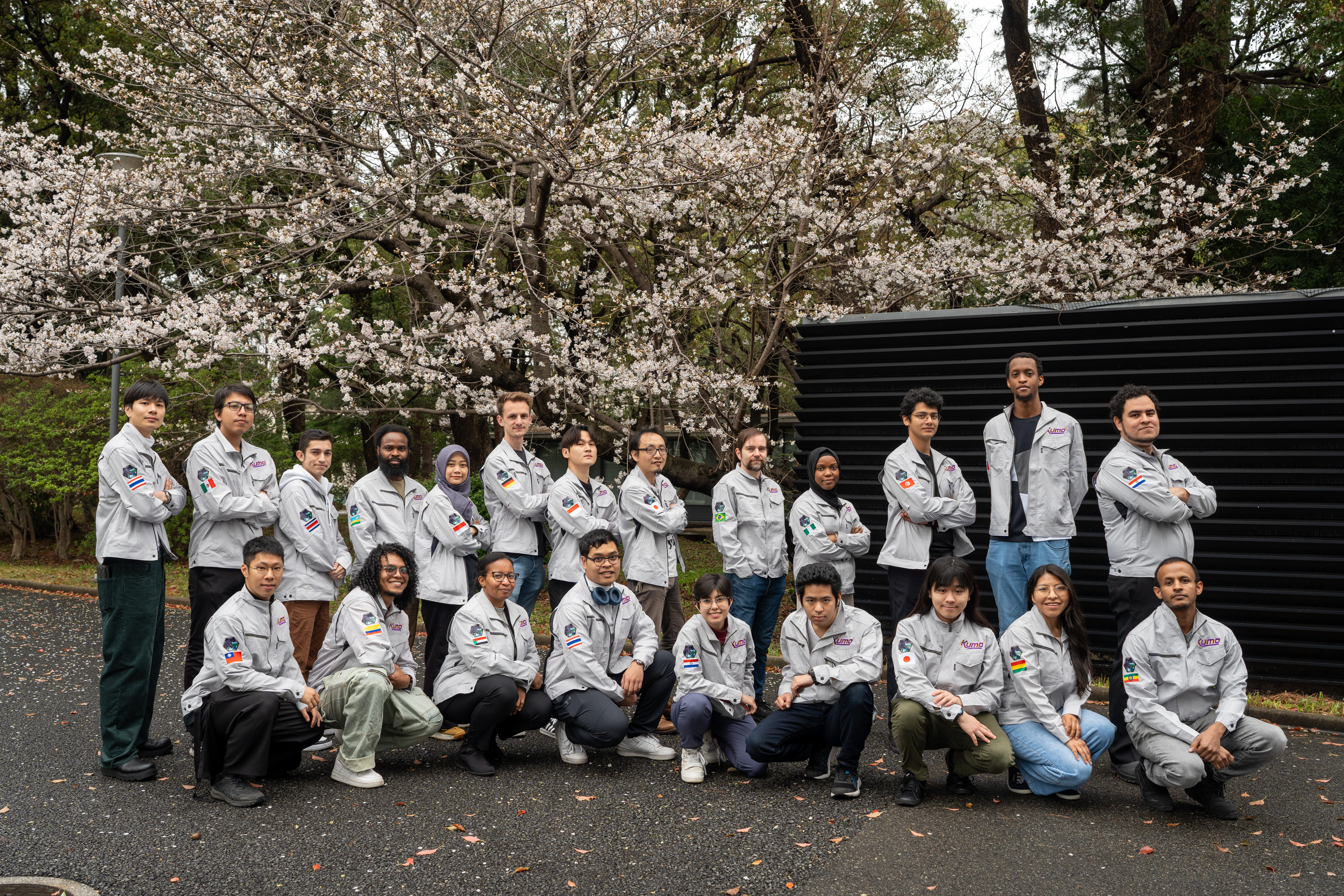
What is it like to work in an international, multidisciplinary project that needs to go to space? Being in BIRDS.
Working on a satellite sounds exciting from the outside. In reality, a lot of the work comes down to making sure that small pieces of hardware and software can reliably communicate with each other.
During my time working on BIRDS-RPM, I had the opportunity to work on the satellite’s onboard computer system and get hands-on experience with the software and hardware that support an actual space mission.
- Getting Started
- Working on the Onboard Computer
- The Critical Design Review
- What I Learned
- From Software to Space
Getting Started
BIRDS-RPM was one of the satellite projects I became involved with during my time at Kyushu Institute of Technology.
My work focused on the onboard computer (OBC) and the systems surrounding it. This meant working across both hardware and software rather than treating the computer as an isolated component.
One of the things I found particularly interesting was seeing how decisions made at the software level ultimately affect the way the satellite operates as a whole.
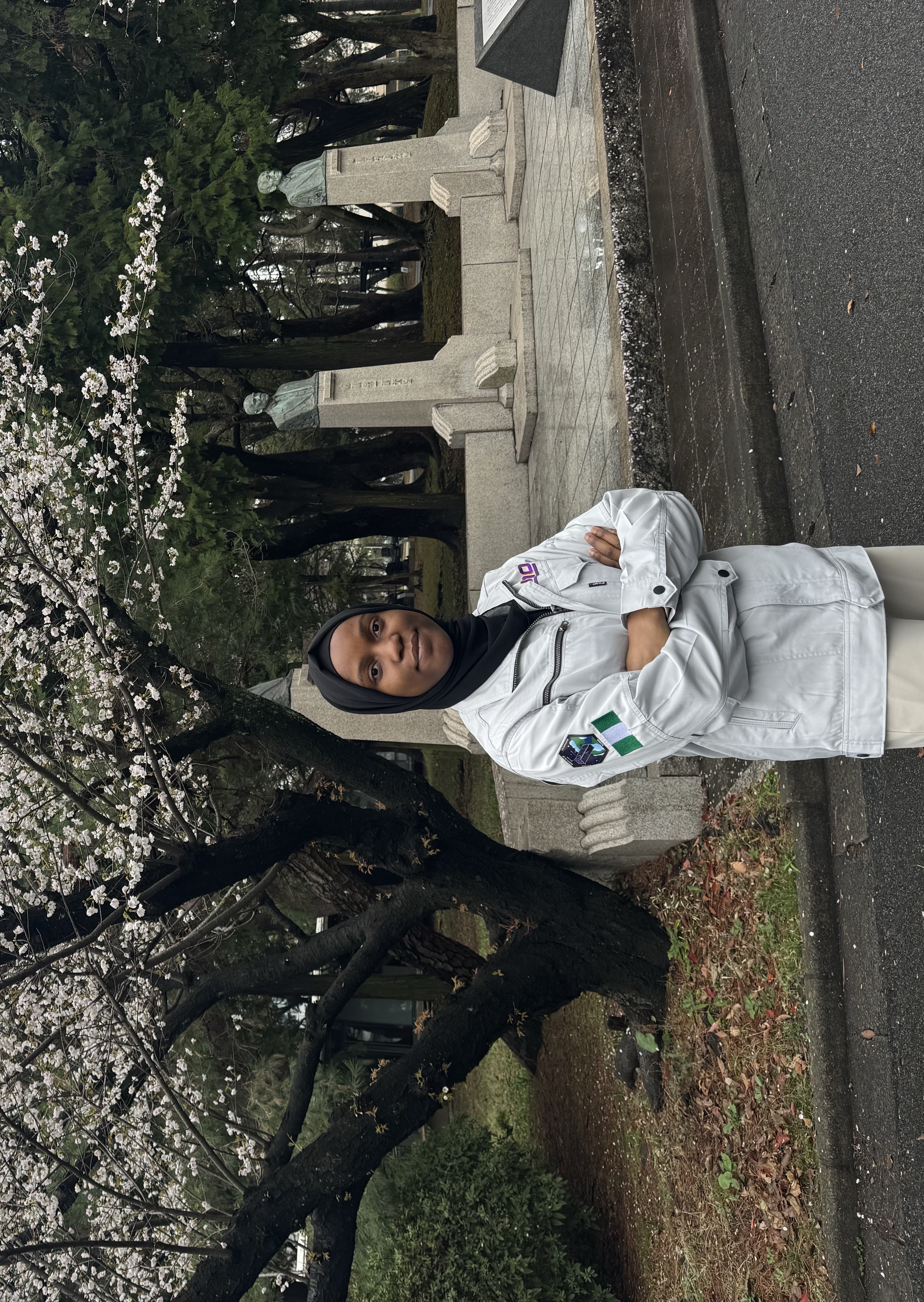
Working on the Onboard Computer
The onboard computer is essentially responsible for coordinating many of the satellite’s functions.
That makes reliability particularly important.
Unlike software running on a normal computer, software running on a satellite cannot simply be restarted by plugging in a keyboard or opening a debugger. The system has to be designed with the constraints of the spacecraft in mind.
Working on the OBC gave me a better appreciation for the relationship between embedded software, communications, and the rest of the spacecraft.
The Critical Design Review
One of the milestones I was involved in was the Critical Design Review (CDR).
The CDR is an important stage of a satellite project because it is where the design is examined in detail before moving further into development and integration.
I presented part of the onboard computer system during the review.
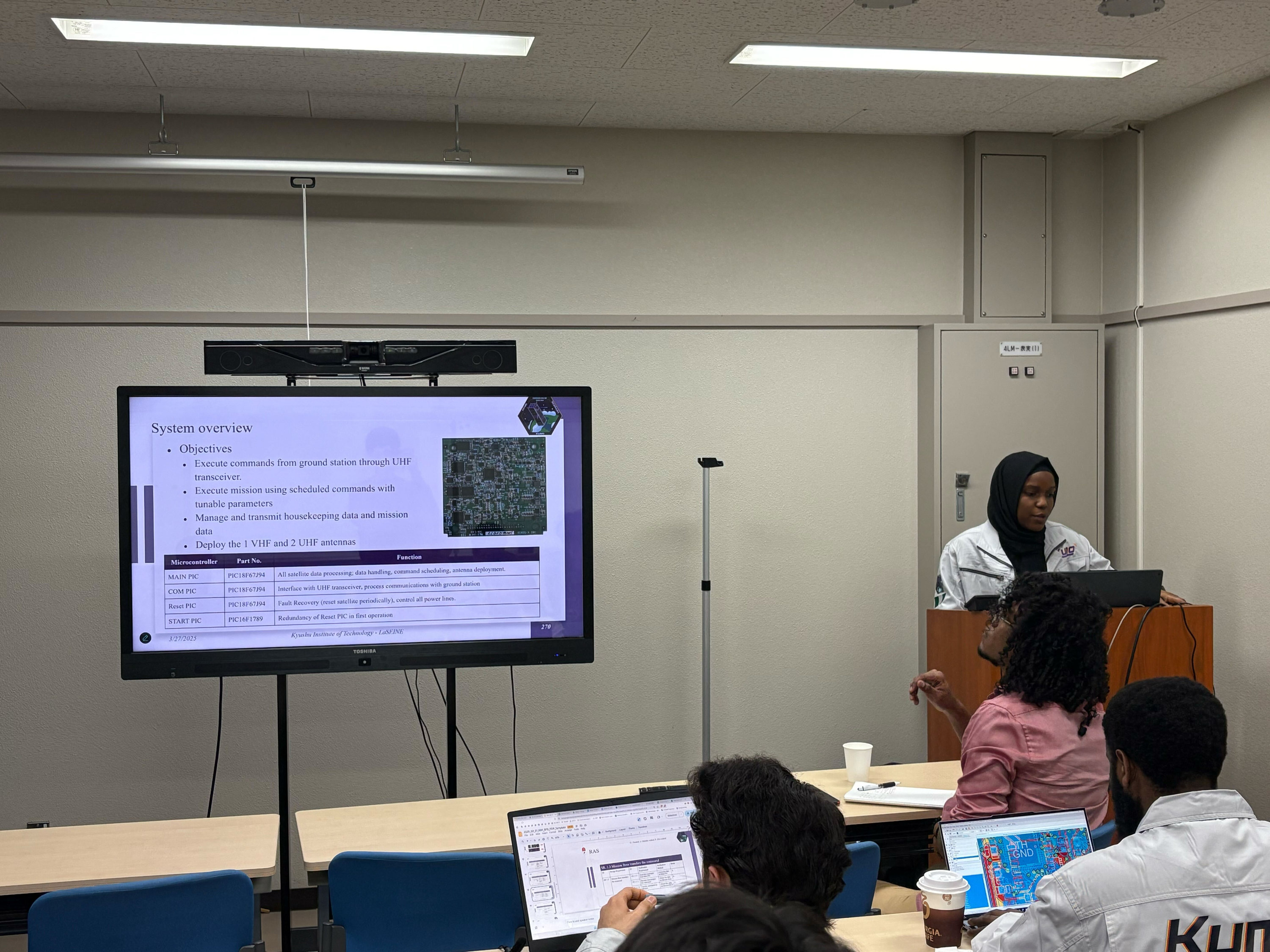 {.figcaption Husseinat presenting the onboard computer system during the Critical Design Review for BIRDS-RPM}
Presenting the system forced me to think about the OBC from a much broader perspective.
It wasn’t enough to understand how a particular piece of software worked. I also needed to understand how the system interacted with the other components of the satellite and be able to explain those decisions clearly.
What I Learned
Working on BIRDS-RPM was one of my first opportunities to see the engineering process behind a real satellite project up close.
It taught me that space engineering isn’t just about designing spacecraft.
It’s also about:
- Writing software that has to be reliable.
- Understanding how different subsystems interact.
- Communicating technical decisions to other engineers.
- Testing designs before they make their way into a spacecraft.
- Thinking about what can go wrong — and designing around it.
Those lessons have continued to influence the work I’ve done since.
From Software to Space
Before getting involved in satellite projects, most of my experience was in software development.
Working on BIRDS-RPM changed the way I thought about that experience.
I started seeing software not simply as something that runs on a computer, but as one component of a much larger engineering system.
That perspective has become particularly important as I’ve continued working in space systems engineering.
And that’s probably one of the biggest things I took away from the project:
Building things for space forces you to think about the entire system, not just the code.