I Graduated With a Master’s Degree
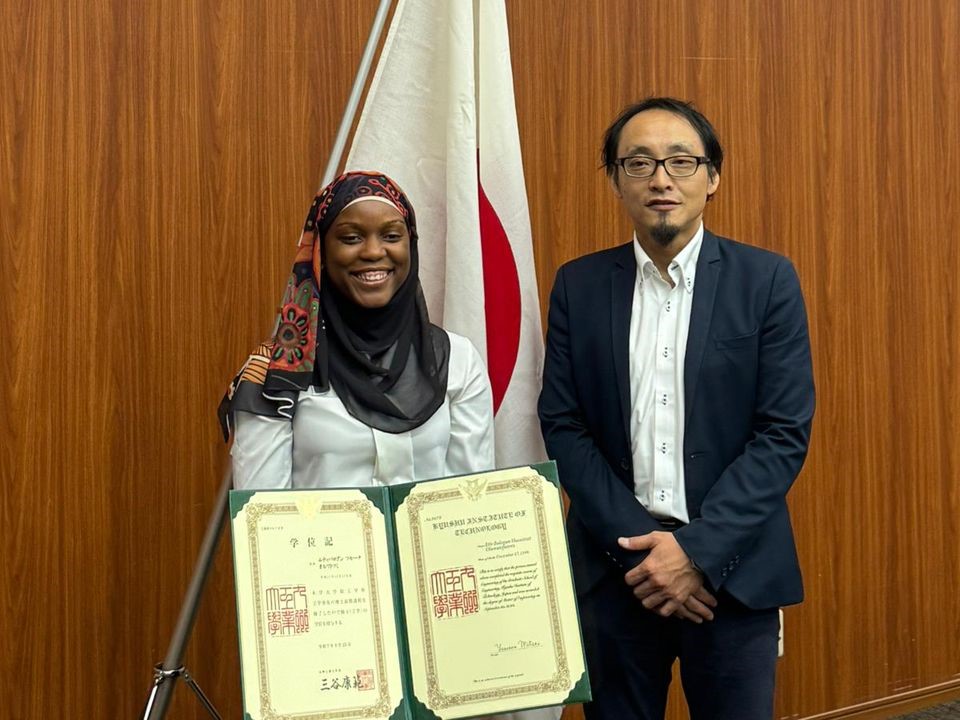
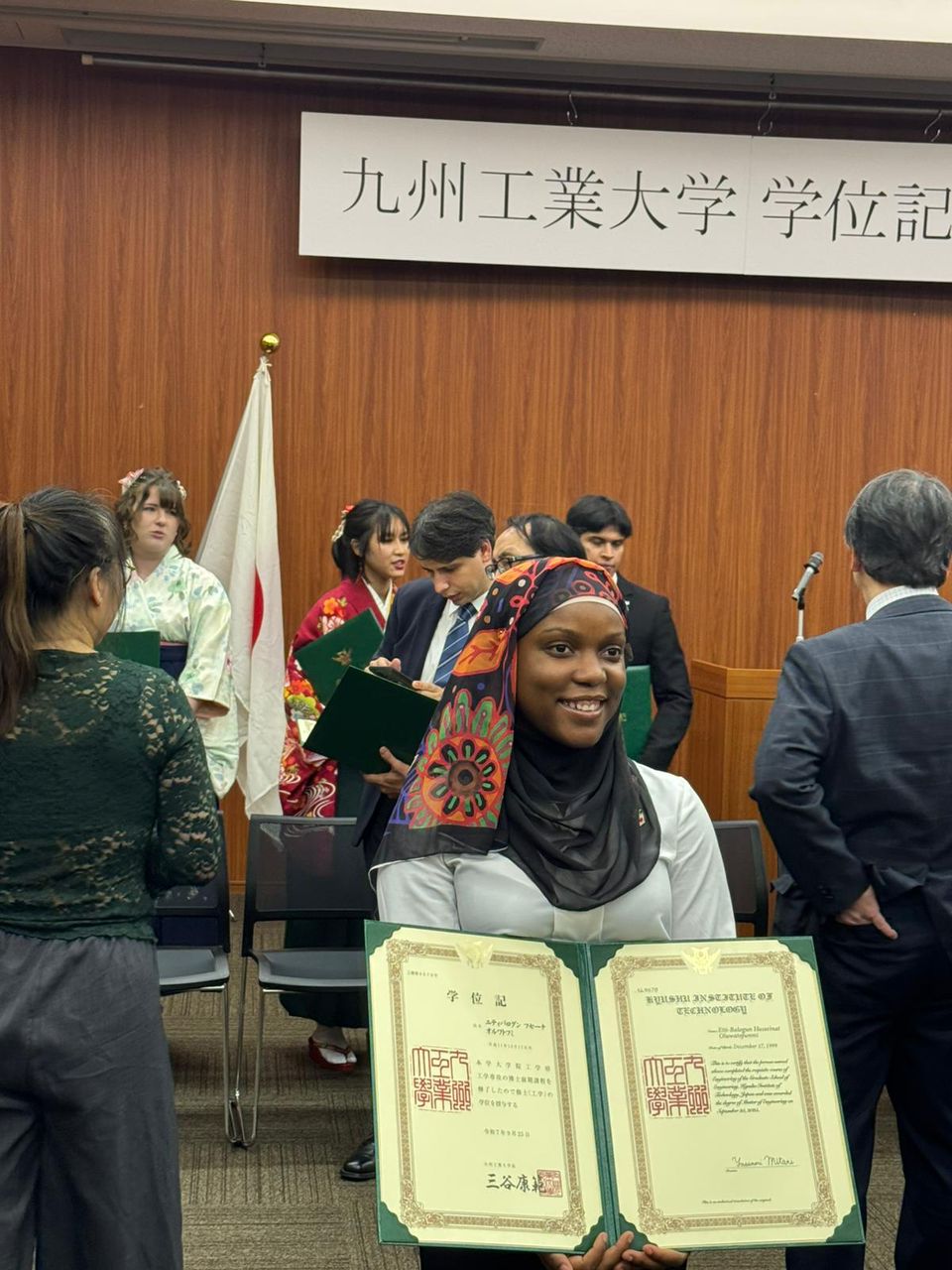
I spent two year in Kyutech obtaining a masters degree.
I spent two years at Kyushu Institute of Technology obtaining a master’s degree in Space Systems Engineering.
When I arrived in Japan, I knew I wanted to work in the space industry. What I didn’t fully understand was just how much I would learn — technically, professionally, and personally — over the next two years.

Why Japan?
My journey to Kyutech started with a simple goal: I wanted to work on spacecraft.
I had studied Mechanical Engineering for my bachelor’s degree, but I wanted to move closer to space systems and satellite development. That led me to Japan and Kyushu Institute of Technology, one of the places where I could get hands-on experience working with actual satellite projects.
Moving to a new country for graduate school was a huge adjustment.
New language. New culture. New academic environment. New expectations.
And, of course, space engineering.

The Master’s Degree
My master’s was in Space Systems Engineering, and a large part of my time was spent working on satellite-related research and projects.
This wasn’t just about sitting in a classroom and learning theory.
I got to work with hardware, software, communications systems and satellite telemetry. I also had the opportunity to contribute to projects involving real spacecraft.
That experience completely changed how I thought about engineering.
A satellite isn’t just a collection of individual engineering disciplines.
Mechanical systems have to work with electrical systems. Software has to communicate with hardware. Communications have to work with the spacecraft’s limitations. And everything has to work reliably in an environment where you can’t simply walk over and fix the problem.
What I Learned
The biggest lesson from my master’s wasn’t a particular piece of technical knowledge.
It was learning how to solve problems when the answer isn’t obvious.
There were plenty of times when something simply didn’t work.
A piece of hardware wouldn’t behave as expected.
Software would produce strange results.
A system would work in one environment and fail in another.
And sometimes the problem turned out to be something completely different from what I initially suspected.
That process taught me to become much more comfortable with uncertainty.
Instead of asking:
“Why isn’t this working?”
I gradually learned to ask:
“What evidence do I have, and what can I test next?”
That mindset has probably been one of the most valuable things I took away from graduate school.

More Than a Degree
Looking back, the master’s degree itself is only one part of what I gained from these two years.
I worked on satellite projects.
I met people from different countries.
I presented my work.
I learned to navigate life in Japan.
I became more confident working across different areas of engineering.
And perhaps most importantly, I discovered that I wanted to keep going.
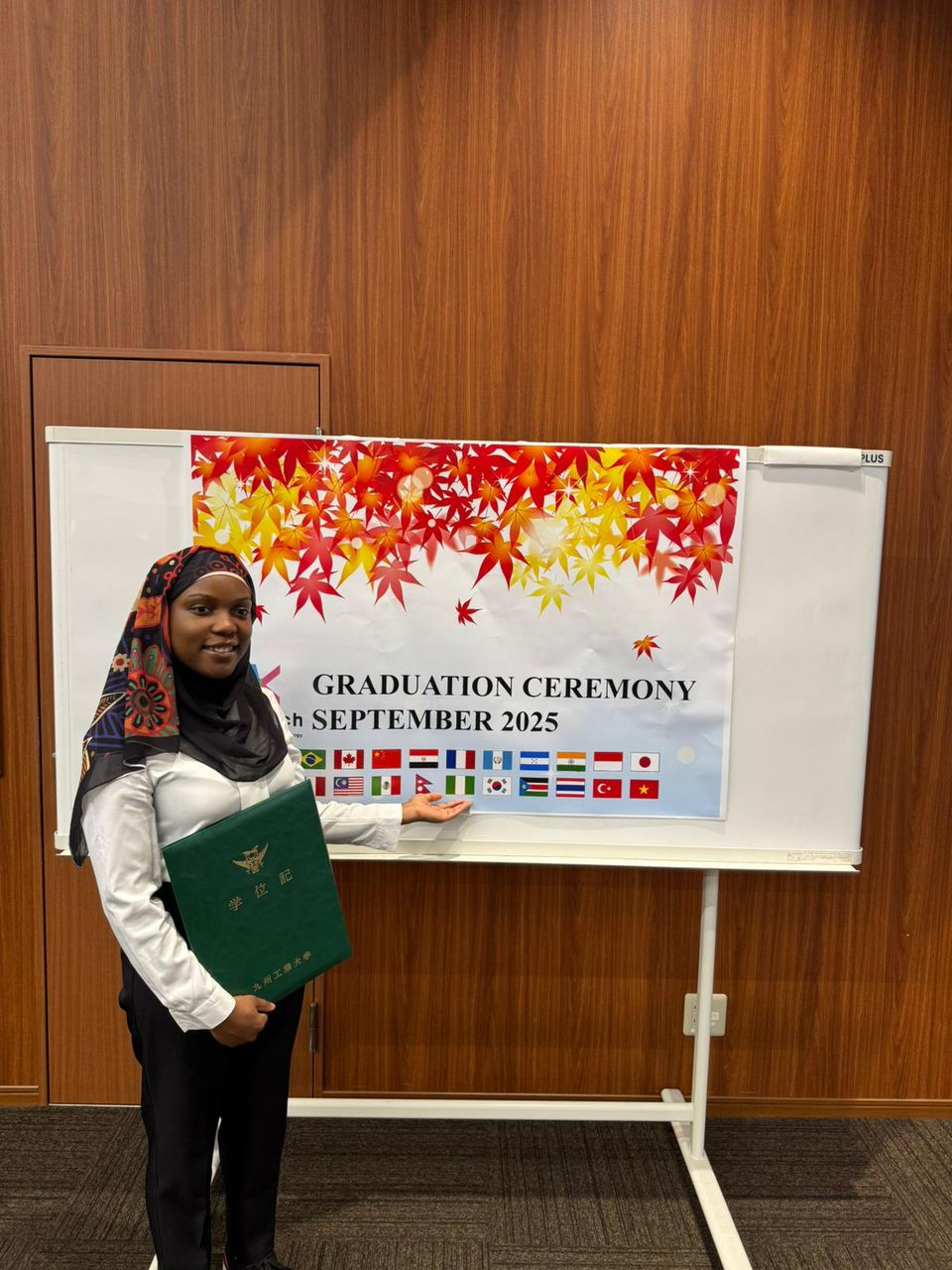
So after two years, I graduated with a master’s degree in Space Systems Engineering.
But I wasn’t finished with space engineering yet.
I decided to stay at Kyutech and continue into a PhD.
The next chapter would take the things I had learned during my master’s and push them even further.
Master’s: completed.
PhD: next.
And this time, I knew a little more about what I was getting myself into.